
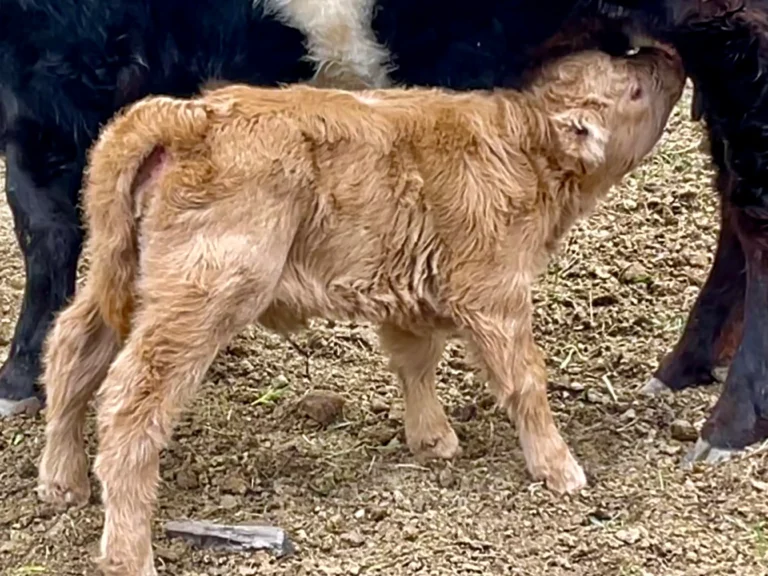

Weaning is one of the biggest milestones in a calf’s life. It’s also one of the most stressful if it isn’t handled well.
Whether you raise miniature cattle, commercial beef cattle, or a small family herd, the goal is the same: healthy calves, healthy cows, and as little stress as possible.
In this guide, we’ll compare the most common weaning methods, discuss the best age to wean calves, and share practical tips for making the transition easier on both calves and their mothers.
Here at Xbar6 Miniature Cattle, we have always spent a lot of time researching and focusing on stress-free weaning. Our goal is, and always will be, “How do we provide the least amount of stress to our cattle during weaning?” We are always looking for better ways or solutions to mitigate that stress. We have always used fence-line weaning, but look forward to trying new approaches in the future.
What is really going on during weaning?
STRESS!!! Weaning is so much more than just separating mom and baby. Weaning is one of the most critical and stressful stages in a calf’s life, both physically and emotionally. No matter what type of cattle, beef, miniature, or milk cattle, understanding how to minimize stress during this transition is key to maintaining healthy, happy calves. When calves experience stress, their immune systems tend to weaken, leaving them more vulnerable to illness.
When should I wean my calf?
Research in the beef industry shows that the optimal weaning age is between 6 and 9 months. For beef, this gives calves the optimal time to recover and start gaining weight before being sold. Miniature cattle weaning can shift slightly in either direction depending on the circumstances. You should never wean a calf prior to 4 months old. A calf’s rumen does not fully develop until 4 months of age. This is critical to maintain a healthy calf.
Different weaning methods:
Abrupt Weaning
Removing calves suddenly from their dam and environment and putting them directly onto trucks for shipping.
- Pros: Fast, simple,and often cost effective for the producer.
- Cons: Highly stressful, increased sickness.
Fence Line Weaning
Dams and calves are seperated by a fence, both are still in pastures and they are able to maintain sight of each other, rub noses and talk to each other.
- Pros: Less stressful, calves can see and talk to mom, continue on the same forage to not upset the rumen.
- Cons: Limited to ranches and farms that have adequate fencing and space.
Corral/Fenceline Weaning
Calves are put in a corral or a smaller pen where they can still see and talk to mom. Usually, they can still touch noses, but not always.
- Pros: Controlled, smaller environment where the calves can be monitored, but still have access to their mom.
- Cons: Dust, calves can develop respiratory issues from pacing and stirring up the dust.Nose Flap or Nose Clip Weaning
Nose Flap or Nose Clip Weaning
A specially designed clip is placed on the calf’s nose, preventing the calf from nursing without being separated from their mom.
- Pros: Minimal stress; nothing changes for the calf except that it can’t nurse.
- Cons: Some calves will resume nursing once the band is removed, and you will have to repeat the process.
Ways to Reduce Stress at Weaning
- Wait until after 4 months at a minimum to wean.
- Use a method that offers gradual separation.
- Provide proper nutrition by providing high-quality forage to prevent hunger-induced stress.
- Monitor behavior and watch for signs of stress or illness.
- Use probiotics as a digestive aid to keep their rumen balanced.
What is My Cow Experiencing During Weaning?
We have talked about how weaning affects calves, but what about the dam? Cows that have had calves before learn and know the routine. They will call for and talk to their baby for a few days and then move on. Once they know that they are safe and not coming back, they move on to enjoy a break before the next calf is born. First calf heifers are an exception. The process will be the first time that they have had their baby removed from them, and they can get pretty stressed. Just be prepared to find them back in with their baby in the morning. Have good fences, haha.
Your goal as a breeder or producer is to provide your client with the best product as the end result. Reducing stress and proper nutrition will not only help your calf transition but also provide your client with an exceptional, well-rounded calf.