
Rotational grazing is a sustainable and efficient method of managing pasture for livestock. It offers numerous benefits for both animals and the environment. Whether you’re a seasoned farmer, a homesteader, or new to owning miniature cattle, this practice can transform your grazing setup.
What Is Rotational Grazing?
Rotational grazing divides your pasture into smaller sections, called paddocks. Then, you systematically move livestock from one paddock to the next. This gives animals fresh forage while allowing grazed areas to recover fully. As a result, it boosts pasture health, soil fertility, and overall animal well-being.
Key Benefits of Rotational Grazing
- Better Forage Utilization By moving animals before they overgraze, you encourage uniform eating. Therefore, livestock waste less and consume more of the available forage.
- Healthier Pastures and Faster Regeneration Rest periods prevent soil compaction and reduce weeds. Instead, desirable forage species thrive, creating more productive pastures over time.
- Lower Disease and Parasite Risk Moving animals away from their manure breaks parasite cycles. This simple step helps prevent disease transmission naturally.
- Improved Nutrient Cycling During rest periods, manure decomposes and returns nutrients to the soil. Consequently, plants grow stronger and soil fertility increases. Don’t forget to maintain your miniature livestock’s mineral needs. Mineral for miniature cattle
- Environmental Benefits Managed grazing cuts soil erosion and runoff, which protects water quality. Plus, it supports biodiversity by letting native grasses flourish.
How to Implement Rotational Grazing Step by Step
- Assess Your Land First Evaluate your pasture’s size, terrain, and current vegetation. Then, divide it into paddocks based on your livestock numbers and forage supply. Consider future growth plans too.
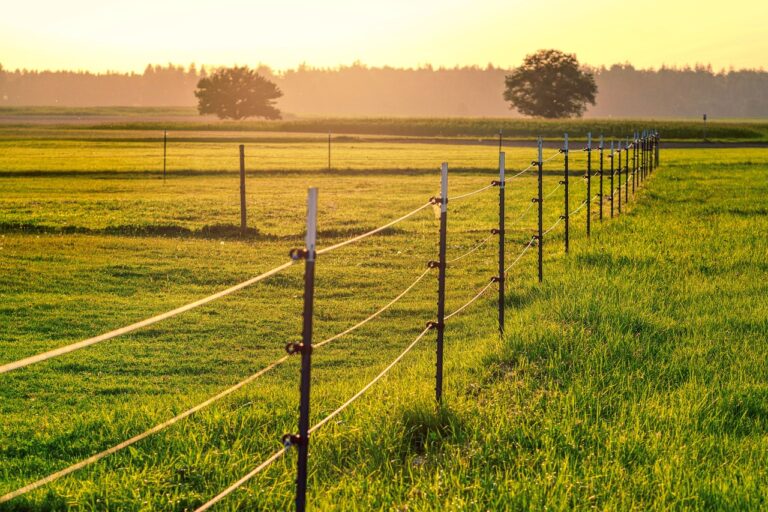
- Create a Grazing Plan Decide how long animals stay in each pasture and how long each rests. Adjust timings according to forage growth rates. For flexibility, start with portable electric fencing to test pasture sizes.
- Install Fencing Use temporary or portable electric fencing initially for easy adjustments. Once you find ideal sizes, add more permanent fencing for convenience.
What to Monitor While Developing Your Pastures
- Track Forage Growth — Check height and condition regularly. Move animals before forage gets too short (usually 3–4 inches remaining).
- Follow Your Rotation Schedule — Rotate weekly, bi-weekly, or monthly, depending on growth, weather, and stocking density.
- Provide Water Access — Ensure every pasture has reliable water so animals stay hydrated without stress.
- Observe and Adapt Watch pasture recovery and animal behavior closely. Tweak the plan for seasonal changes or unexpected conditions.
- Prioritize Rest Periods — Give pastures enough recovery time (often 20–60 days, varying by climate and forage type).
Common Questions About Rotational Grazing
- How many animals do I need to start rotational grazing? You can begin with any number—even just two animals. The principles work at any scale.
- How much acreage do I need? Any amount helps, but less than one acre can be challenging. Start small and scale as you learn what works for your land.
In summary, rotational grazing is a sustainable and effective way to manage pastures. Remember to maintain the proper amount of forage needed to meet your mini cows dietary needs. Read our blog on dietary needs here. It enhances livestock health, builds soil fertility, and supports environmental conservation. By following a structured plan, monitoring closely, and ensuring water access, you can boost animal well-being while rejuvenating your land for the long term.
Incorporating rotational grazing strengthens your operation and builds resilient land—especially valuable for small-scale or miniature cattle setups